Program on Accountability Transparency & Governance
Activities aim to improve the application of anti-corruption best practices and ethical standards in institutions and cross sections of society. Current activities are:
Research work on Judicial Ethics and Behaviour:
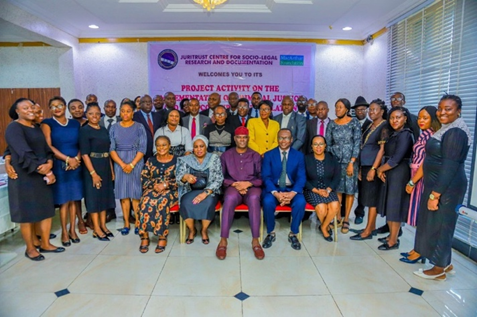
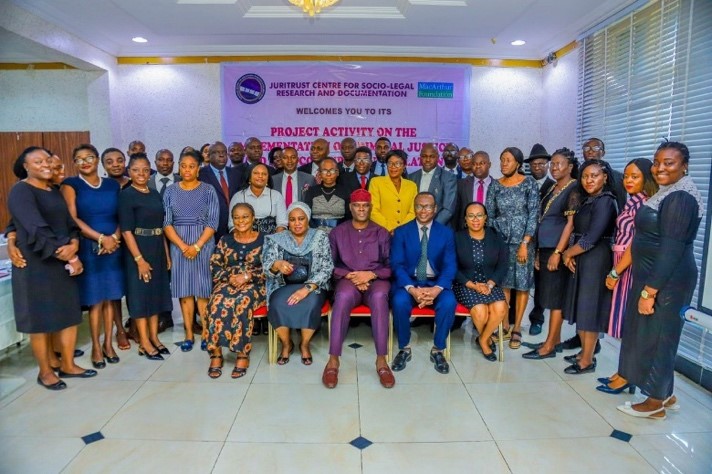
The Behavioural Insights and Ethical Norms in Justice Administration Research Study (the Study) is an interdisciplinary study of corruption in the Nigerian judicial sector. The Study is an initiative of the Juritrust Centre for Socio-Legal Research and Documentation (the Juritrust Centre). The Study is part of a larger project on the implementation of the ACJA and Anti-corruption laws by the Juritrust Centre with the support of the MacArthur Foundation.
The Study duly acknowledges that the anti-corruption fight needs reform champions in critical sectors, including the Judiciary. However, it emphasizes the importance of ethics and demands behavioural change among actors and players in the judicial sector. It also acknowledges the shortcomings of technical legal training that focuses exclusively on legal frameworks and ignores the social and ethical milieu in which judicial activity exists. The Study is thus adopting behavioural change strategies and ethics to address the problem of corruption in the judicial sector. The following is an overview of the study.
The study was carried out through the use of semi structured interviews of judicial officers, lawyers and court users in 18 states which were spread across the six geopolitical zones of the Federation. Lessons learnt and Recommendations arising from the research are captured in the Centres Publication – Behavioural Perspectives on Corruption and the Judiciary in Nigeria (JCSLRD) 2025. Further work is contemplated by engaging the National Judicial institute on developing a handbook to the Code of Ethics for Judicial Officers
Youth Behavior and Anti-Corruption Initiatives
On December 9, 2025 (International Anti-Corruption Day), the Juritrust Centre, with MacArthur Foundation support, hosted a stakeholders' roundtable themed "Unite with Youth Against Corruption." Moderated by Prof. Abdullahi Shehu (former DG, ECOWAS Inter-Governmental Action Group against Money Laundering in West Africa), the session moved beyond theory to focus on two pillars: Inclusive Accountability and Safe Reporting. The event served as a high-energy "cross-pollination" point, bridging youth-led organizations to build partnerships and identify real-world challenges in demanding transparency from government and business sectors.
Building on the "Safe Reporting" pillar, the Centre resolved to conduct a study on Realistic Whistleblowing Options for Youth. This research will investigate the specific factors preventing young people from reporting corruption, specifically analyzing whether these barriers are systemic and real (legal/security gaps) or perceived and imagined (psychological/social fears). The goal is to map safe, actionable pathways that empower the next generation of whistleblowers.
Program Manager: Mr Gbemi Jaiyebo